In this article
Why is nickel an issue?
Nickel can cause allergies through skin contact, so there are legal limits on nickel release for items in prolonged contact with skin.
Where do the rules apply?
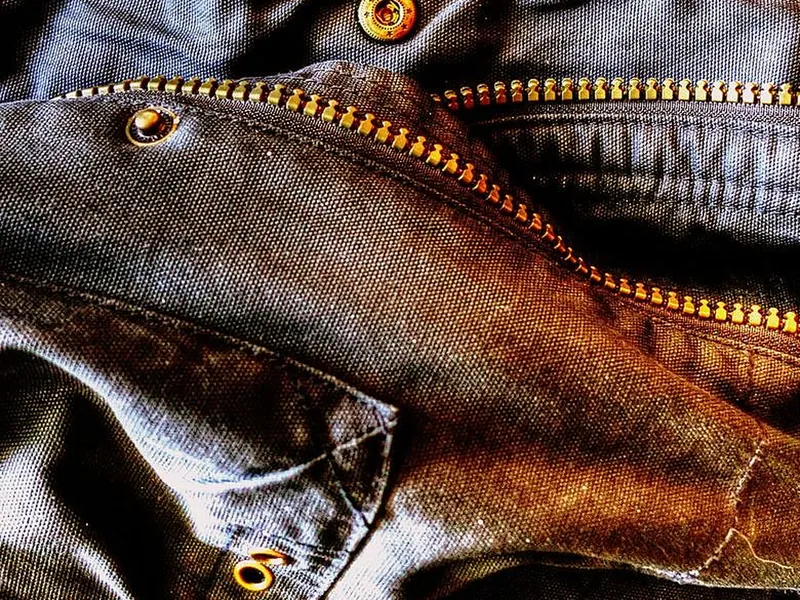
- EU: REACH Annex XVII, Entry 27. Parts such as garment zippers in prolonged skin contact may release at most 0.5 µg/cm²/week.
- Türkiye: KKDİK Annex 17 contains the same limit and lists zippers as an example.
The rule covers the part in prolonged skin contact, not the whole product. A non-nickel coating must keep the item within the limit through normal use.
How is it tested?
Nickel release is measured with EN 1811. For coated items, EN 12472 wear simulation comes first. Use an accredited laboratory.
What does "nickel-free" mean?
It describes a finish or material without nickel, but compliance can only be shown by a test report.
This article is general information, not legal advice. Check the official texts for current rules.
What is the limit and what does it apply to?
| Rule | Where | What it says |
|---|---|---|
| REACH Annex XVII, Entry 27 | EU, legal requirement | Nickel release up to 0.5 µg/cm²/week on parts in prolonged skin contact |
| EN 1811 and EN 12472 | EU test method | Release test preceded by simulated wear |
| KKDİK Annex 17 | Türkiye | Same limit as the EU text; garment zippers are named |
The rule applies to the part in prolonged skin contact, not the whole product. On plated parts, the limit must hold for two years of normal use.
What to ask a manufacturer
"Nickel-free" alone is not proof of compliance. If you sell in the EU, plan a test report for the finish and batch and have your product tested at an accredited laboratory. This page is general information, not legal advice; check the current official text. See the test standards guide for other tests.